FLUX 3 vs Nano Banana 2
Pick FLUX 3 if you need native 4K, exact text in images, or layout control on an open-weight model family. Pick Nano Banana 2 if you want fast conversational editing inside Gemini at lower cost. Both were state of the art in their niches as of October 2026 — FLUX 3 released October 1, 2026; Nano Banana 2 (Gemini 3.1 Flash Image) launched February 26, 2026. Neither wins everywhere, and the table below shows exactly where each loses.
| Dimension | FLUX 3 (Black Forest Labs) | Nano Banana 2 (Google) |
|---|---|---|
| Released | Oct 1, 2026 | Feb 26, 2026 (as Gemini 3.1 Flash Image) |
| Max resolution | Native 4K | 4K supported, Flash-tier cost |
| Text rendering | Precise, poster-grade (a headline strength) | Good, occasionally breaks on long strings |
| Layout control | Layout boxes — explicit regions | Prompt-only guidance |
| Editing model | Local edits, combine up to 10 references | Conversational multi-turn editing (a headline strength) |
| Where to use it | API / partner platforms (fal.ai etc.) | Gemini app, AI Studio, Vertex AI |
| Open weights | Family has open-weight history (FLUX 3 weights status: watch BFL releases) | Closed — Google API only |
| Typical cost profile | Per-image via API partners; 4K costs more | Included in Gemini tiers / Vertex pricing |
Where FLUX 3 loses
- Multimodal conversation: Nano Banana 2 edits through back-and-forth chat in Gemini; FLUX 3 is a single-shot API call.
- Bundled access: many users already have Nano Banana 2 through a Gemini subscription at no extra cost.
- Brand familiarity: "Gemini" carries Google distribution; FLUX is developer-first.
Where Nano Banana 2 loses
- Poster-grade text: long exact strings are more reliable in FLUX 3.
- Explicit layout: no equivalent of FLUX 3 layout boxes — placement is prompt-suggestion only.
- Self-hosting: no open weights; you depend on Google's API terms and pricing forever.
Which one should you pick?
Design/print workflows with exact text and 4K → FLUX 3. Casual creative editing and content that lives inside the Gemini ecosystem → Nano Banana 2. Many teams use both: Nano Banana 2 to explore ideas, FLUX 3 for the final high-resolution deliverable. If you are choosing for production stability, note FLUX 3 is one week old at this writing — expect API behavior and pricing to settle over the coming weeks.
Same-prompt head-to-head: real renders (Oct 9, 2026)
We ran four identical prompts through both models at default settings — FLUX 3 Image via this site (fal.ai API) and Nano Banana 2 (Gemini 3.1 Flash Image, also via fal.ai). Same wording, no retouching, full outputs as generated. Text rendering is FLUX 3's headline strength and Nano Banana 2's most improved area, so every prompt below contains exact text the model must reproduce.
Festival poster — headline, dates, footer URL
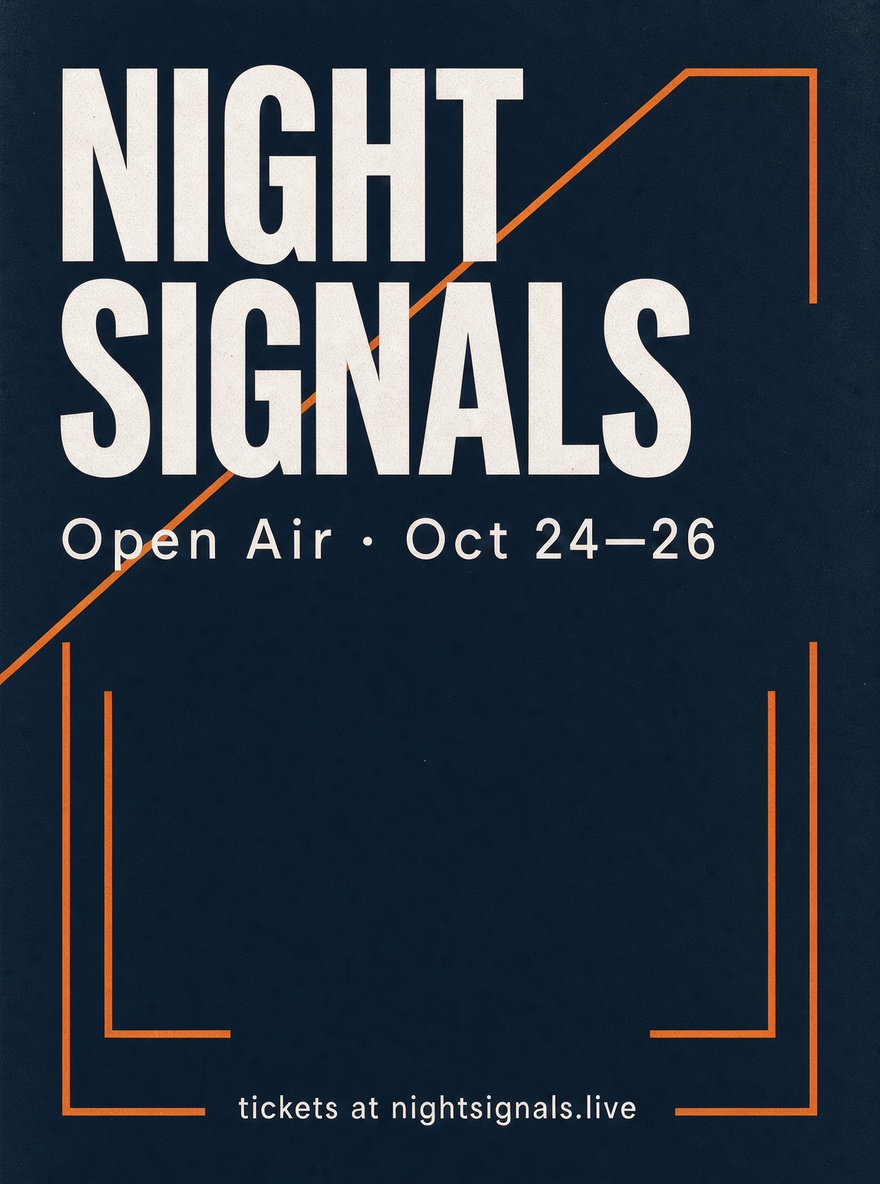
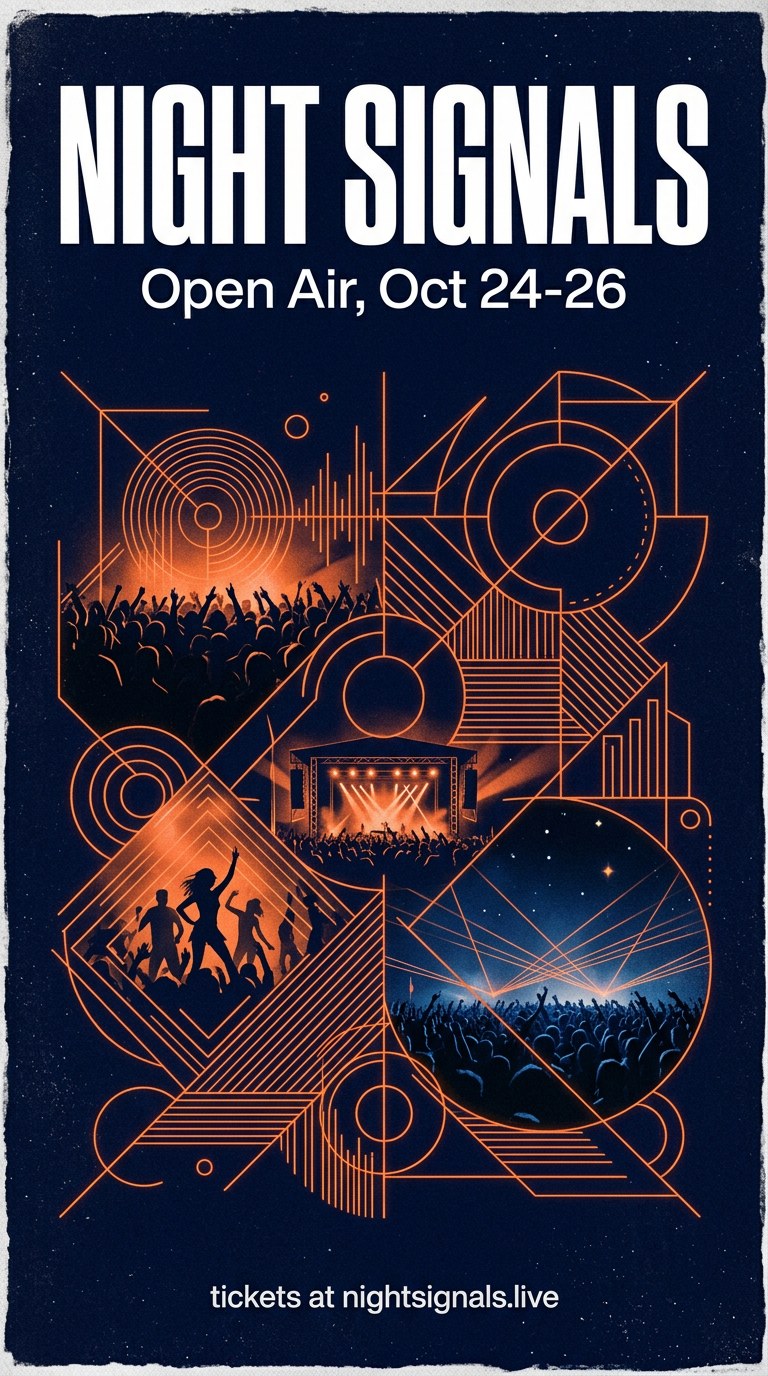
Verdict: Both models rendered all three text blocks exactly ("NIGHT SIGNALS", "Open Air, Oct 24-26", "tickets at nightsignals.live"). Nano Banana 2 filled the canvas with richer artwork; FLUX 3 kept a cleaner, more minimal poster grid.
SaaS dashboard mockup — sidebar, stat cards, chart
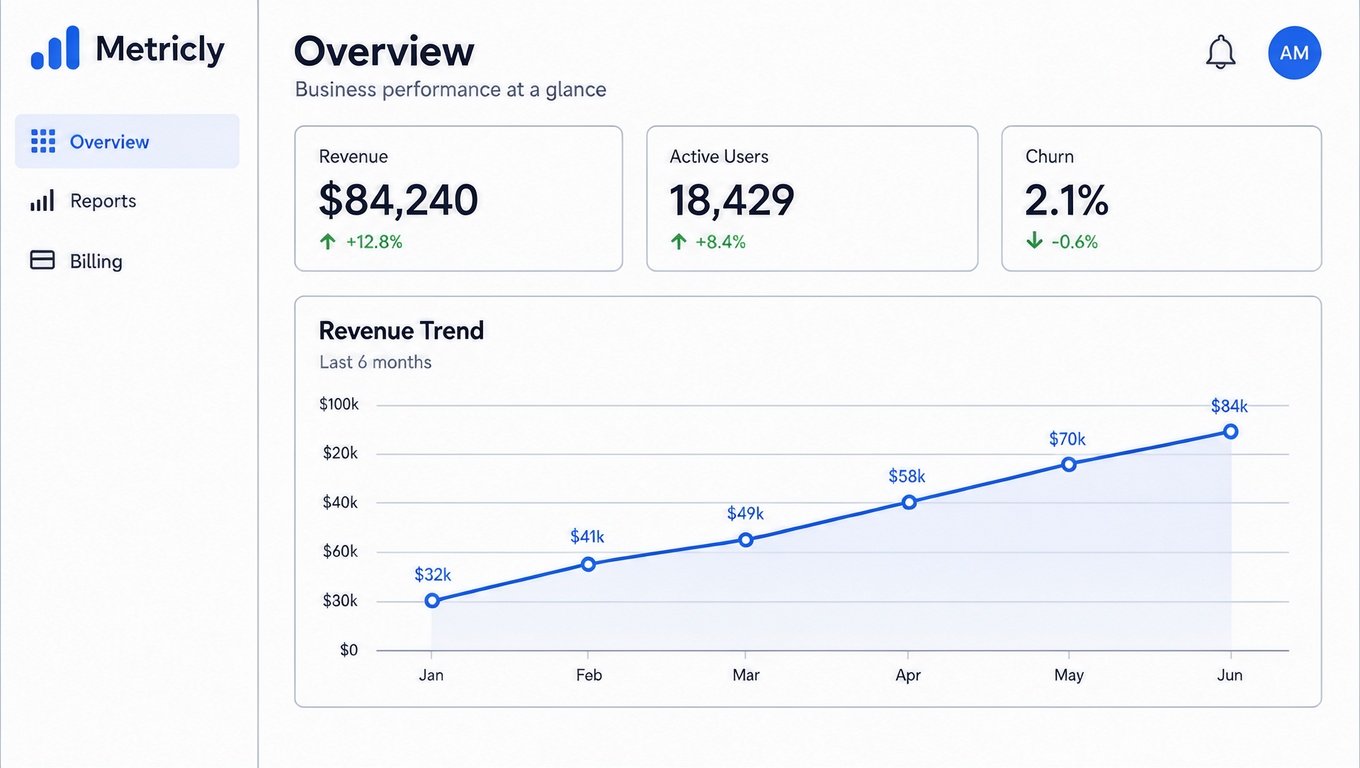
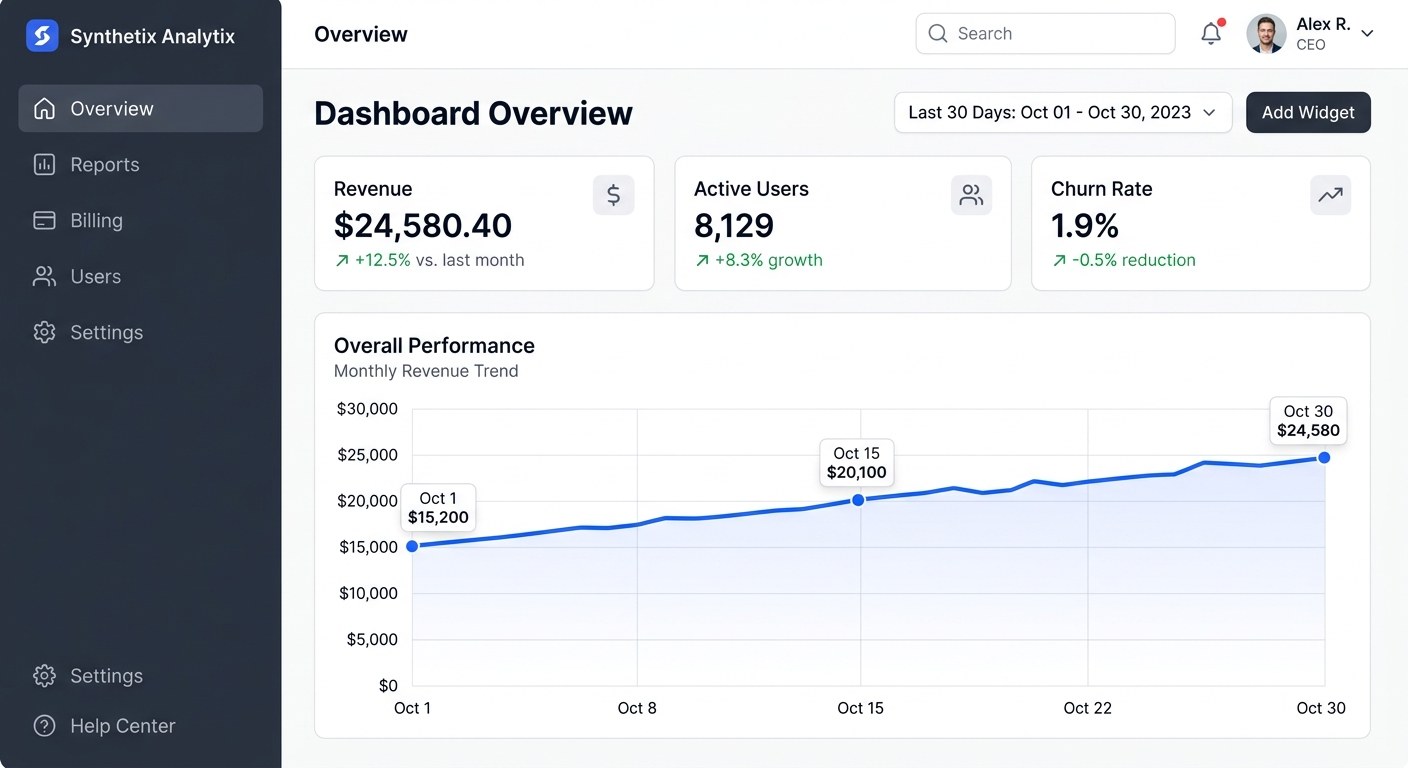
Verdict: Both produced coherent dashboards with the requested labels ("Overview", "Reports", "Billing", three titled stat cards). Nano Banana 2's chart annotations were cleaner; FLUX 3's y-axis labels drifted out of order — a small but real miss.
Product shot — bottle label with exact name
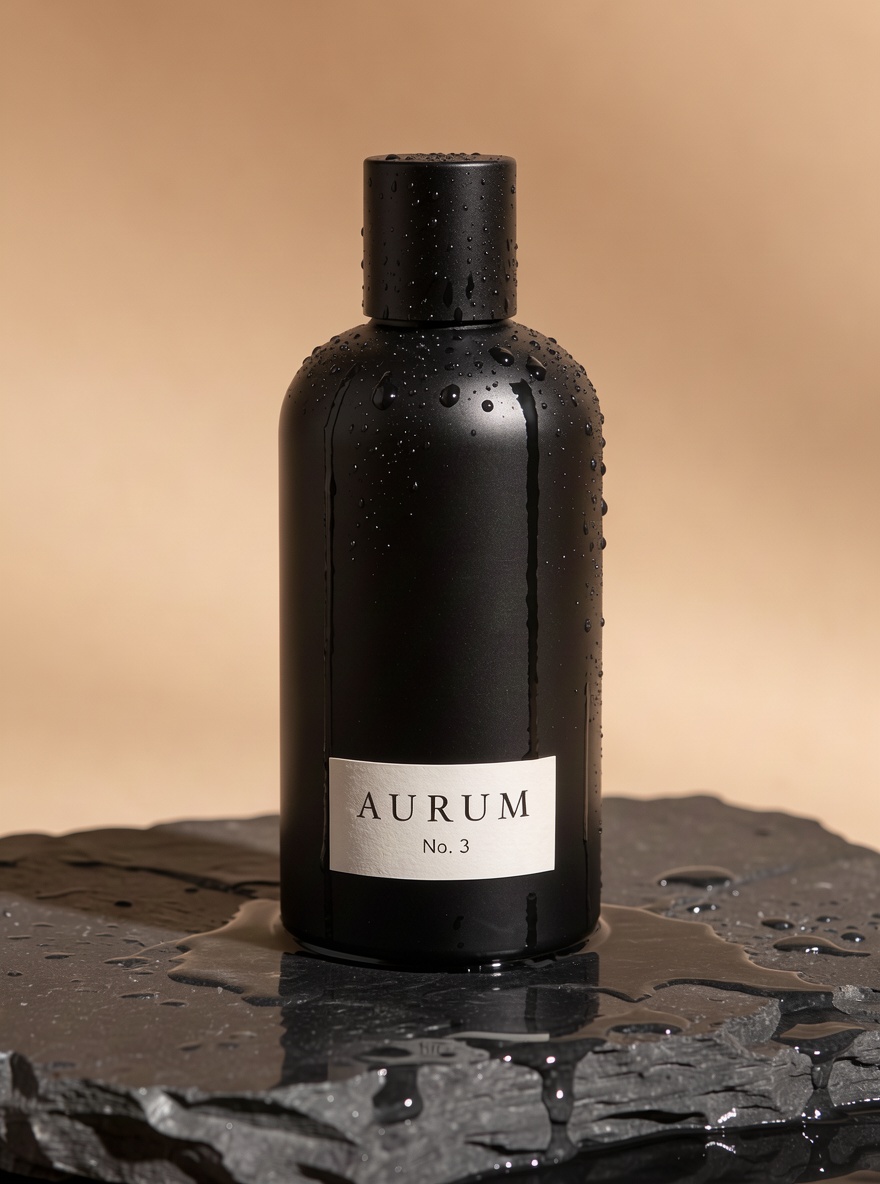

Verdict: "AURUM No. 3" rendered exactly on both bottles. Nano Banana 2 added label lines we didn't ask for (coherent, but not requested); FLUX 3 kept the tighter crop we prompted.
Book cover — title and author name
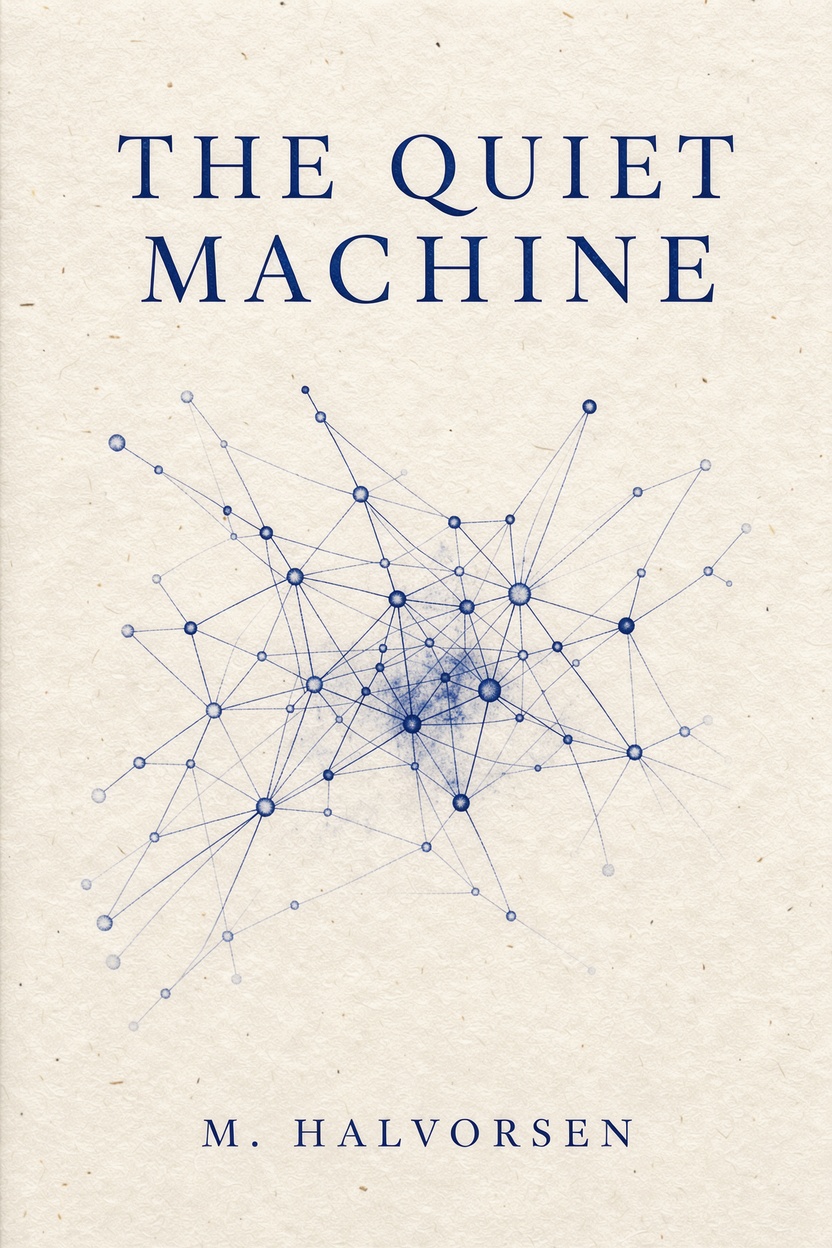
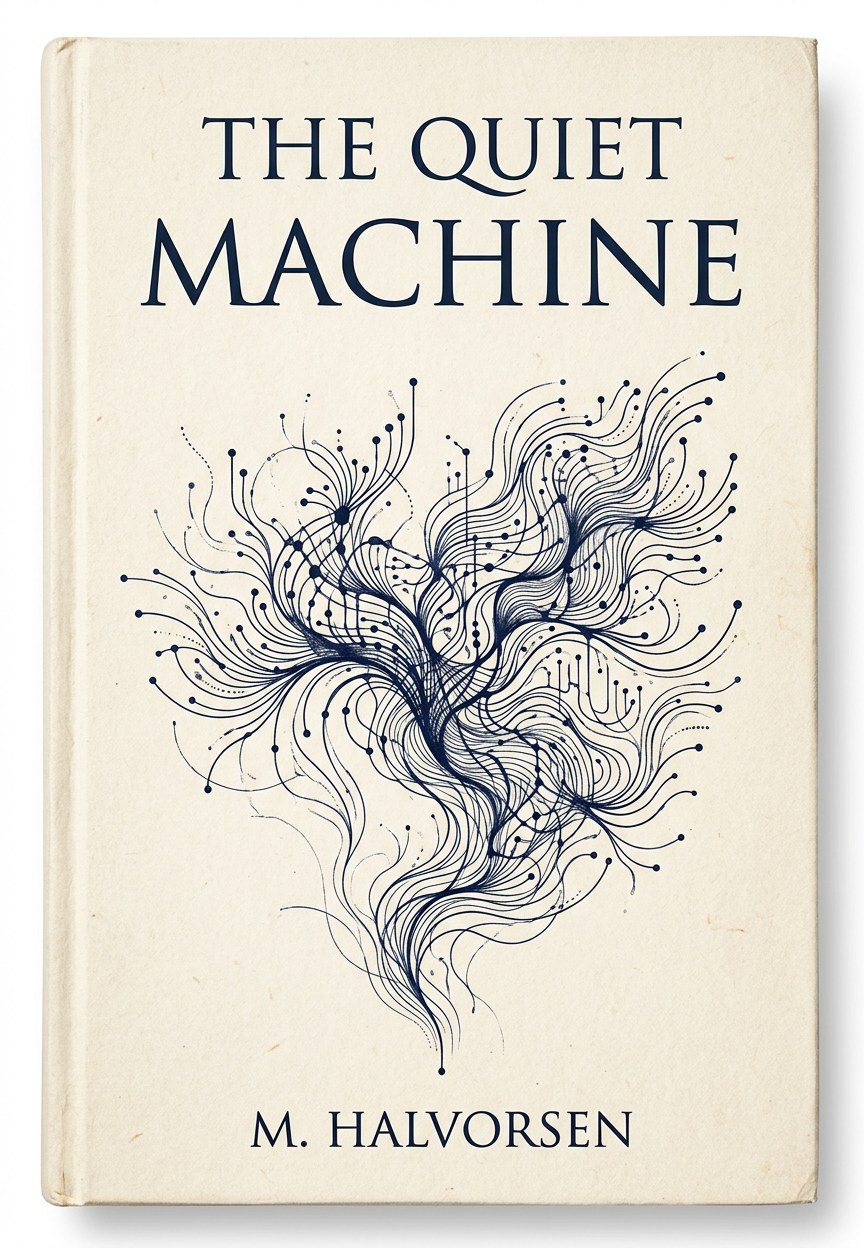
Verdict: Both exact on "THE QUIET MACHINE" and "M. HALVORSEN" with polished illustration — a genuine tie.
| Prompt | Exact text rendered? | Composition pick |
|---|---|---|
| Festival poster (3 text blocks) | Both — all three blocks exact | Nano Banana 2 (richer artwork) |
| SaaS dashboard (labels + cards) | Both — all labels exact | Nano Banana 2 (cleaner chart annotations) |
| Product shot (bottle label) | Both — "AURUM No. 3" exact | Near tie — NB2 added extra label text, FLUX 3 tighter framing |
| Book cover (title + author) | Both — title and author exact | Tie |
Honest takeaway: at 1K-class output sizes, Nano Banana 2 matched FLUX 3's text accuracy on all four prompts and beat it on composition twice — modern Nano Banana 2 is genuinely good at text. Where FLUX 3 keeps the edge is resolution: this site renders native 2K and 4K (3840×2160) directly, while these NB2 outputs are ~1 megapixel — for print-size posters and typography detail, pixels matter. Both models evolve monthly; we re-run this test as versions ship.
Generate with FLUX 3 right now:
Open FLUX 3 GeneratorAlso tracking Google's next model: Nano Banana 2.5 status